Life has been quite slow lately, with plenty of time to do anything interesting. Back in my working days, free time like this was hard to come by. Even on a day off, it would often be filled with chores and unfinished personal tasks that rarely got completed during workdays. Weekends were always busy with house chores, a short cycling ride around the neighborhood, and, if time allowed, a quick catch-up with friends. I enjoy how life is now, since I’m not working for the time being. But, of course, there are drawbacks—especially when life is compared to the busy days of the past. I try not to dwell on this. Each person has a life destined for them, and for me, it seems my life has been paused before going full throttle once I return to work. Life is always uncertain. I try to live in the present, leaving tomorrow’s challenges for later.
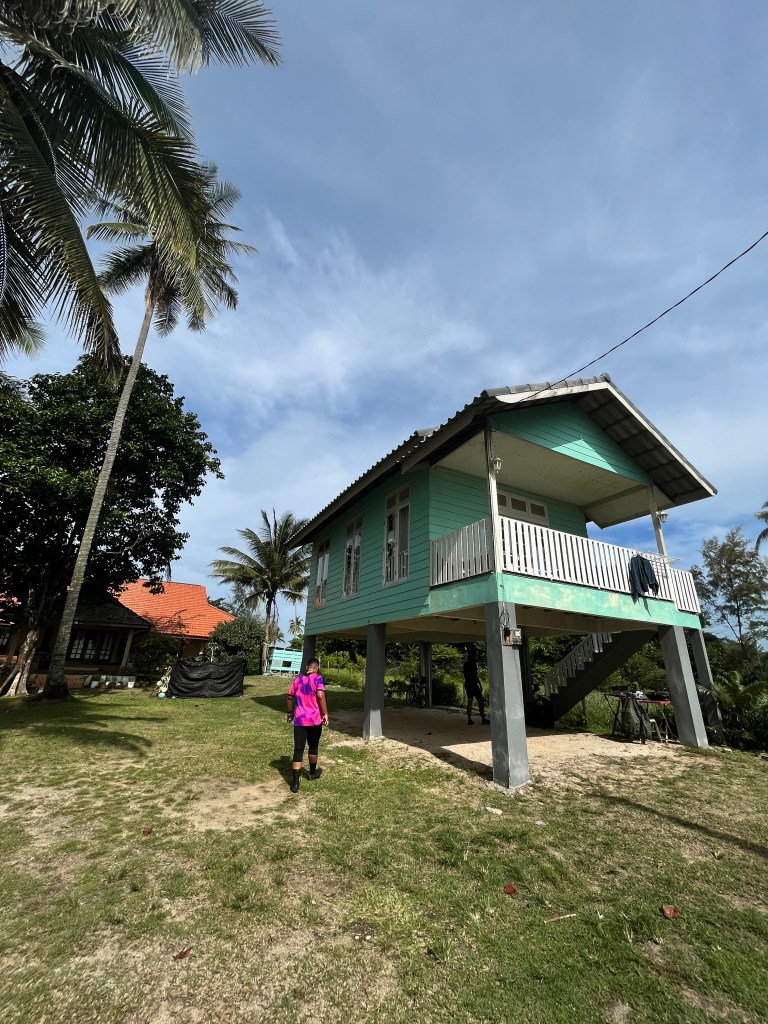
Back to the cycling trip—this will be the last part of our journey. I’ll try to keep it short and easy to read. The next morning was beautiful, with clear skies and sunshine. As the sun rose, my friends and I spent some time chatting on the balcony of our homestay, looking out at the sea while the cool morning breeze gently brushed past us. The sunrise was phenomenal—a mix of yellow and magenta slowly climbing into the sky, with sunlight filtering through the line of coconut trees across the open spaces. The world felt magnificent, perfectly created for us to immerse ourselves in its beauty. That brief moment of fascination brought a sense of tranquility and peace that is rarely found in city life.
Our peace was interrupted when we realized there was no food left for snacking, and our stomachs began to growl. We quickly changed into our cycling attire and prepared for the day’s itinerary. The plan was to head a bit south from our homestay to Tok Bali, a famous breakfast spot roughly 10 km away, before returning north toward Tumpat. Tok Bali is a small town that has flourished thanks to the oil and gas industry. It hosts the supply base for a joint venture between Malaysia and Thailand in the Joint-Development Area along the border. Thanks to this commercial activity, locals now benefit from the spillover as demand for other economic opportunities increases.
By the time we started cycling, the weather had changed slightly from clear skies to partly cloudy, though the sun still peeked through the coconut trees lining the road to Tok Bali. The air felt cooler as our wheels rolled across the smooth tarmac, and we enjoyed the breathtaking view of the rising sun. The flat terrain and well-maintained road made cycling easy—until a short uphill stretch across a bridge connecting Bachok and Tok Bali. Our breakfast spot was in the town center, close to the bridge. We arrived at Kak Ju Nasi Dagang, a popular spot not just among locals but also local tourists. We ordered the signature “nasi dagang,” rice cooked in coconut milk served with tuna in a flavorful coconut gravy. Best enjoyed hot, paired with Teh Ais (iced tea with condensed milk), it was the perfect start to a long cycling day.


After breakfast, we cycled back toward Bachok and north of our homestay, taking a detour along a quiet coastal road instead of following the planned GPX route. I personally preferred this peaceful path, with ocean views and occasional glimpses of local villages. There was no pollution—no fumes or noise—only the occasional sound of children from nearby schools. The road took us from Pantai Kandis, where our homestay was, to Pantai Melawi.
At Pantai Melawi, we stopped briefly at an abandoned pillbox, a good spot for photos. A bit of history: during World War II, Japan invaded Malaya, and the first point of arrival was in Kelantan. The pillbox was used by defending forces, though the British, unable to defend effectively, eventually lost after the destruction of the HMS Prince of Wales and Repulse. Today, it serves as a war monument and a minor tourist attraction. One reason I love Malaysia’s east coast is its white sandy beaches. While western Peninsular Malaysia also has beaches, those are mostly found in the northern islands.

After our brief stop, we cycled past the villages of Pantai Melawi, where the scenery gradually changed from coconut trees to open sandy areas, some shaded by pine trees. The road shifted from smooth black tarmac to loose gravel and uneven dirt. On the left, a large Siamese Buddhist temple with a massive statue became visible from a distance. The path led to a concrete embankment protecting the shore from waves, where we took a short water break, enjoying the almost complete silence except for a family playing by the shore. It was a tranquil moment, filled with serenity.
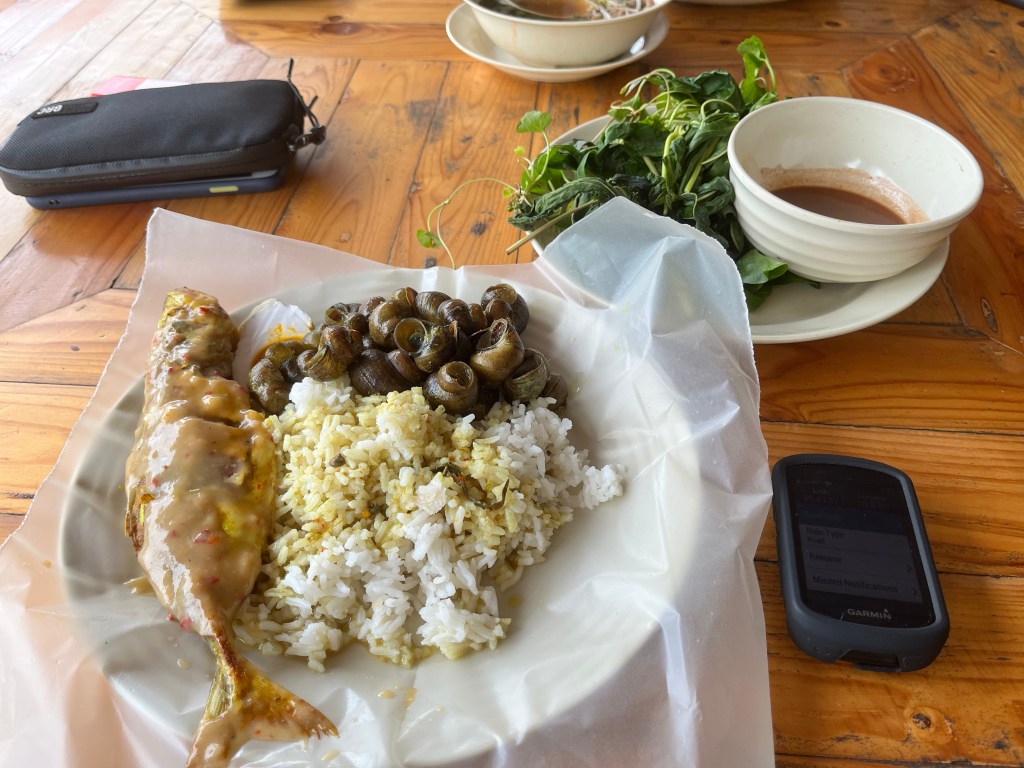
We didn’t linger long, knowing we still had a long journey ahead. By the time we reached Bachok town, it was lunchtime, and we visited a famous eatery for its “nasi ulam”—rice mixed with wild greens and served with a selection of side dishes. I tried local delicacies unfamiliar to me in KL, like shelled snails paired with chicken in chili paste. Whenever I travel, I make it a point to try local dishes unique to the area. Experiences like these cannot be recreated at home, and they are part of the cultural adventure.
A brief stop at Pantai Impian Kemasin followed, famous for its tall pine trees—perfect for bike photos. Since it was a weekday, the place was quiet. I wandered around, buying some snacks for us: “rojak” (fruit in shrimp paste sauce), grilled Thai-style sausages, and fruit drinks. Naturally, I ended up eating most of it while my friends continued taking photos. Even after lunch, cycling in the warm sun burned plenty of calories, leaving room for snacks.
By the afternoon, the weather changed. Dark clouds rolled in, covering the sun, and a cool breeze replaced the warm air. Our last destination was Pantai Kemayang, just across the river from Pantai Impian Kemasin. The road passed fishing villages, with strong fishy odors in the air. As we approached the beach, rain began to fall, gradually turning heavier. Luckily, we reached the beach before the downpour intensified and parked our bicycles at a restaurant. While waiting, we enjoyed local snacks like “keropok lekor.”
The previously sunny beach was now grey and somber. Once the rain eased, we began cycling back to our homestay, about 40 km away. Light rain continued, and we made cautious stops, especially when a friend suffered leg cramps—likely due to the sudden weather change from hot sun to cold drizzle. Despite this, he persevered, and we finally arrived at the homestay slightly after 7 PM, soaked and covered in mud.
The night was spent cleaning our bicycles and gear. By the time we were done, everyone was too exhausted for anything besides collapsing into bed. We hoped for good weather the next day, as we planned to cycle back to Kota Bharu and stay at a hotel just outside the city. That night, we fell asleep deeply after a long day.
The next morning, we packed our belongings and said goodbye to the homestay owners, an elderly couple who were kind and welcoming. I will dearly miss this place. We cycled to Kota Bharu, taking the same trunk inter-state road, passing from coconut-lined villages to more developed areas. Traffic increased as we neared the city, but our hotel on the outskirts remained quiet.
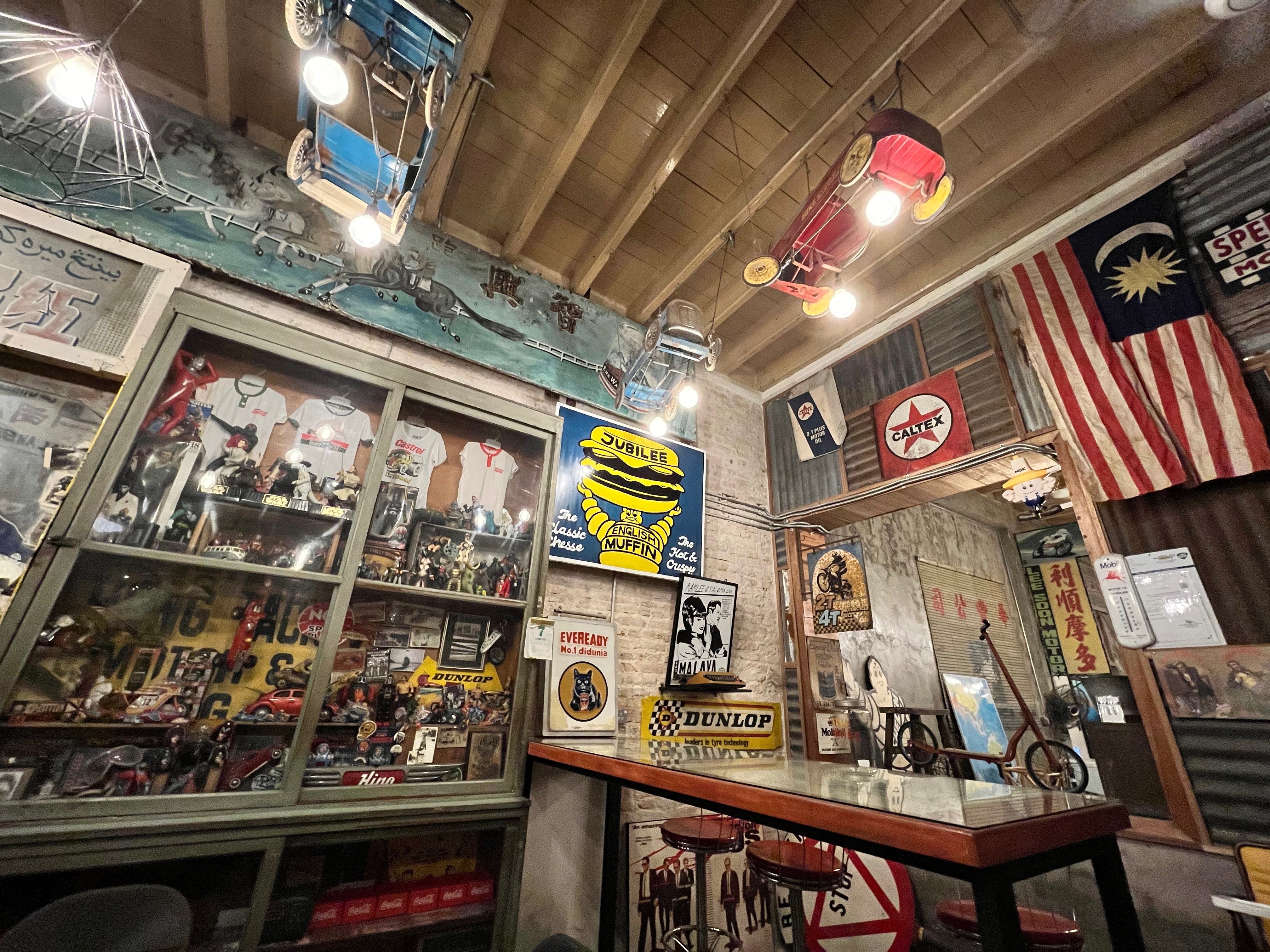
We reached the hotel around 3:30 PM. The hotel was simple, with basic amenities, but the view of the Kelantan River was stunning, even under gloomy skies. That night, Ardy, whom we had met earlier, took us to a local seafood restaurant. We enjoyed a delicious seafood set—steamed fish in lemon broth, fried squid, fried shrimp in oats, water spinach with shrimp paste, and an egg omelet with hot rice. Later, we visited a local supper spot and then a vintage cafe called Jubilee Antique Cafe, famous among local youth for its collection of antiques.
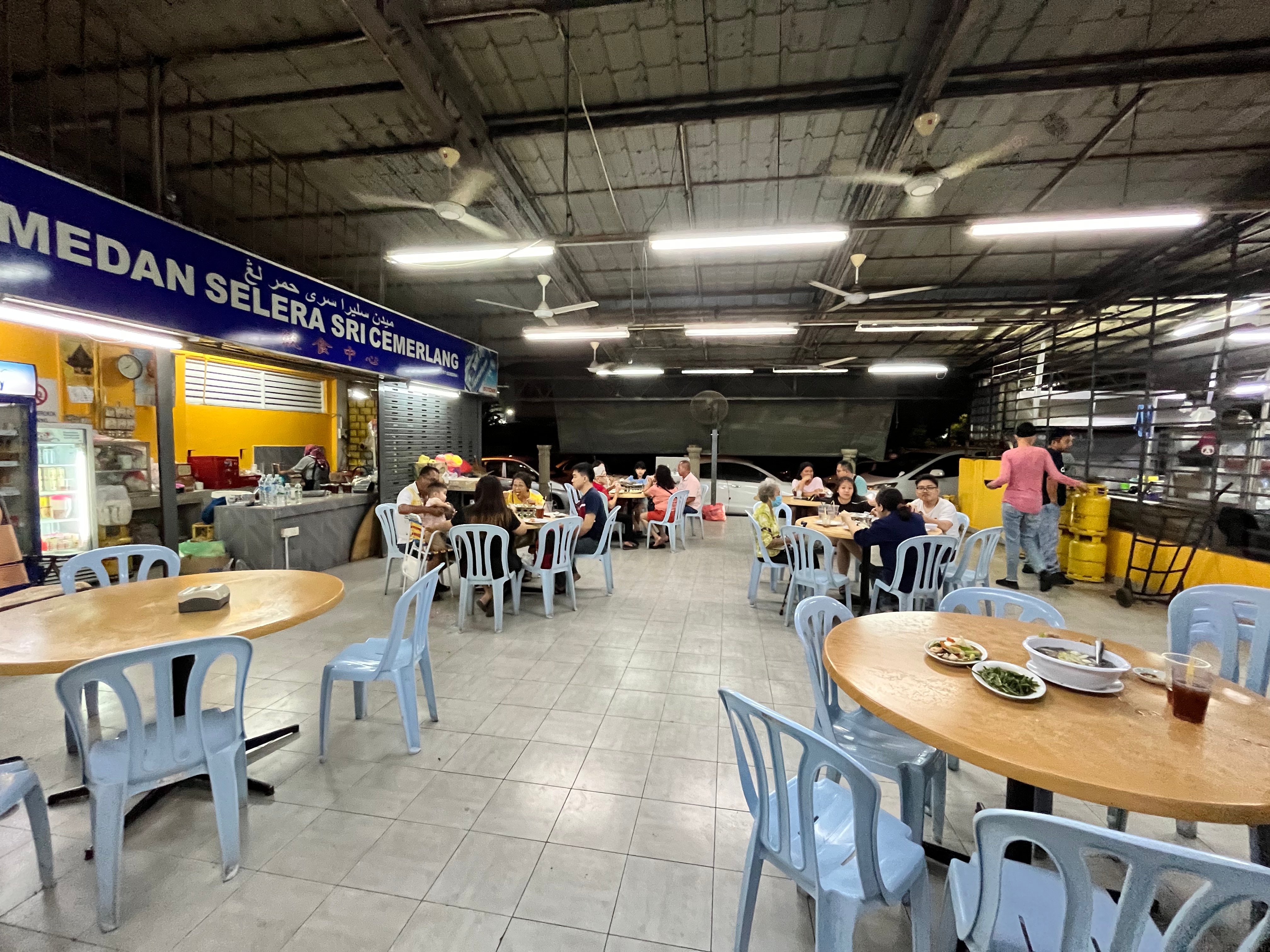
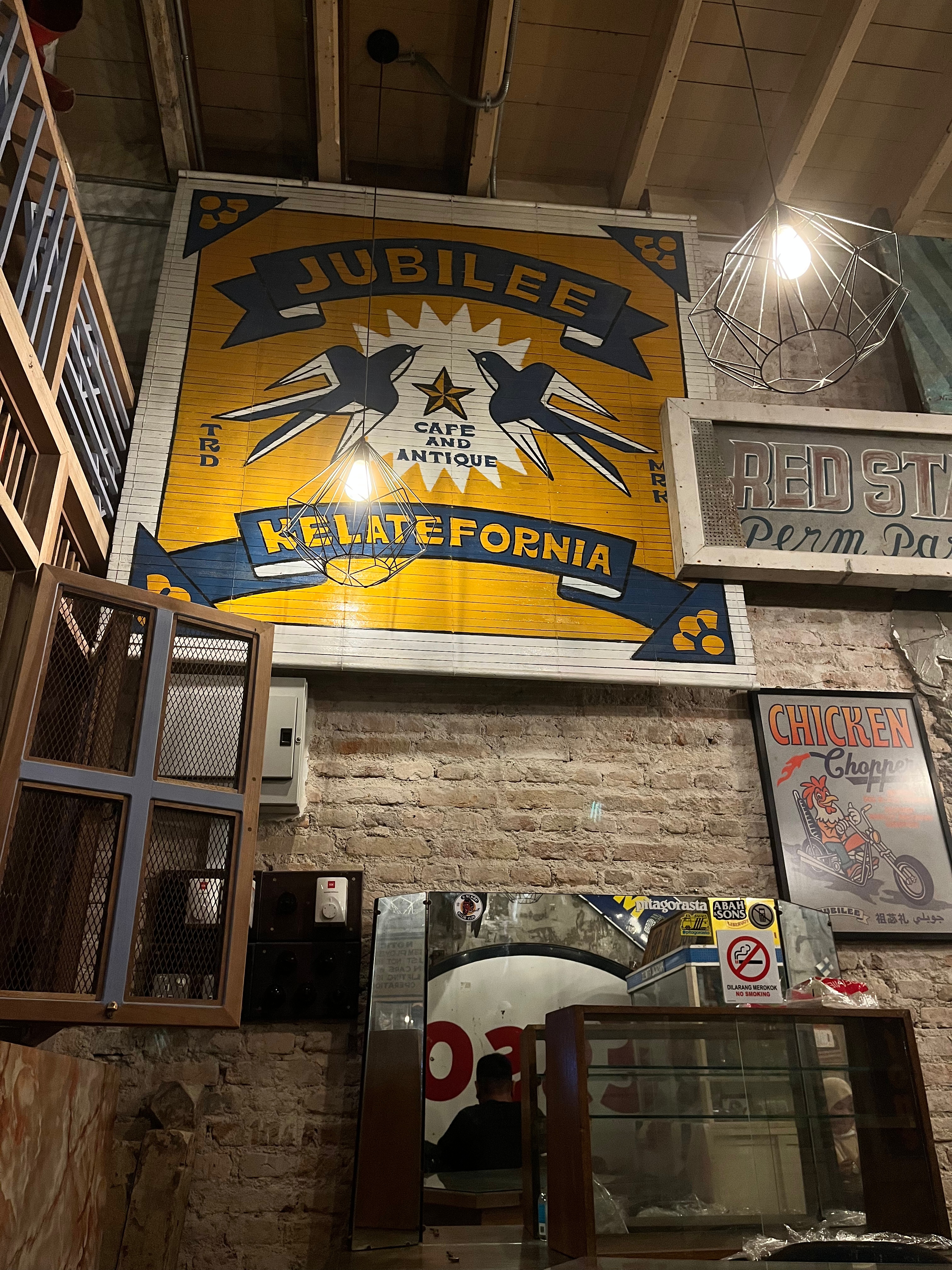
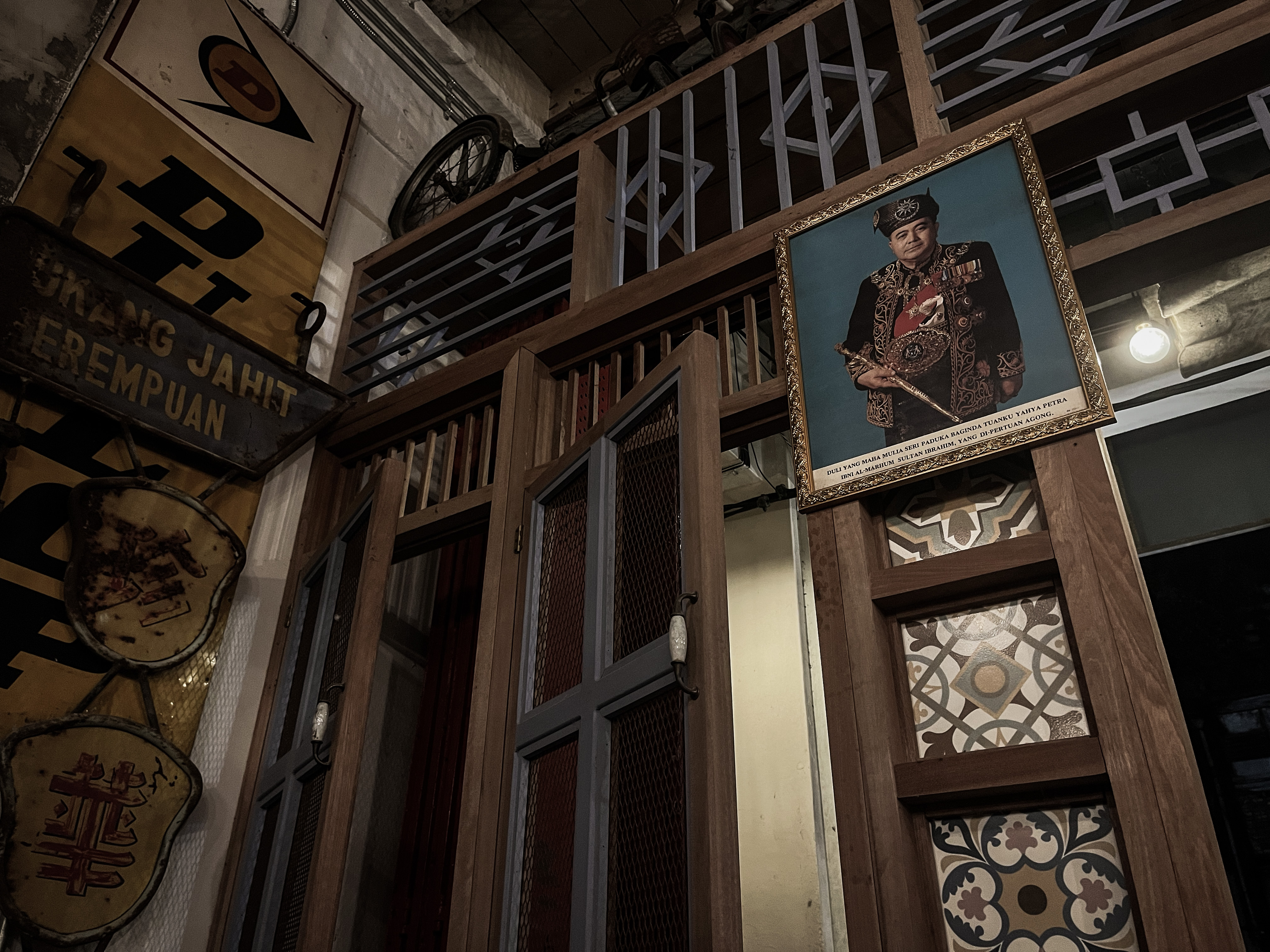

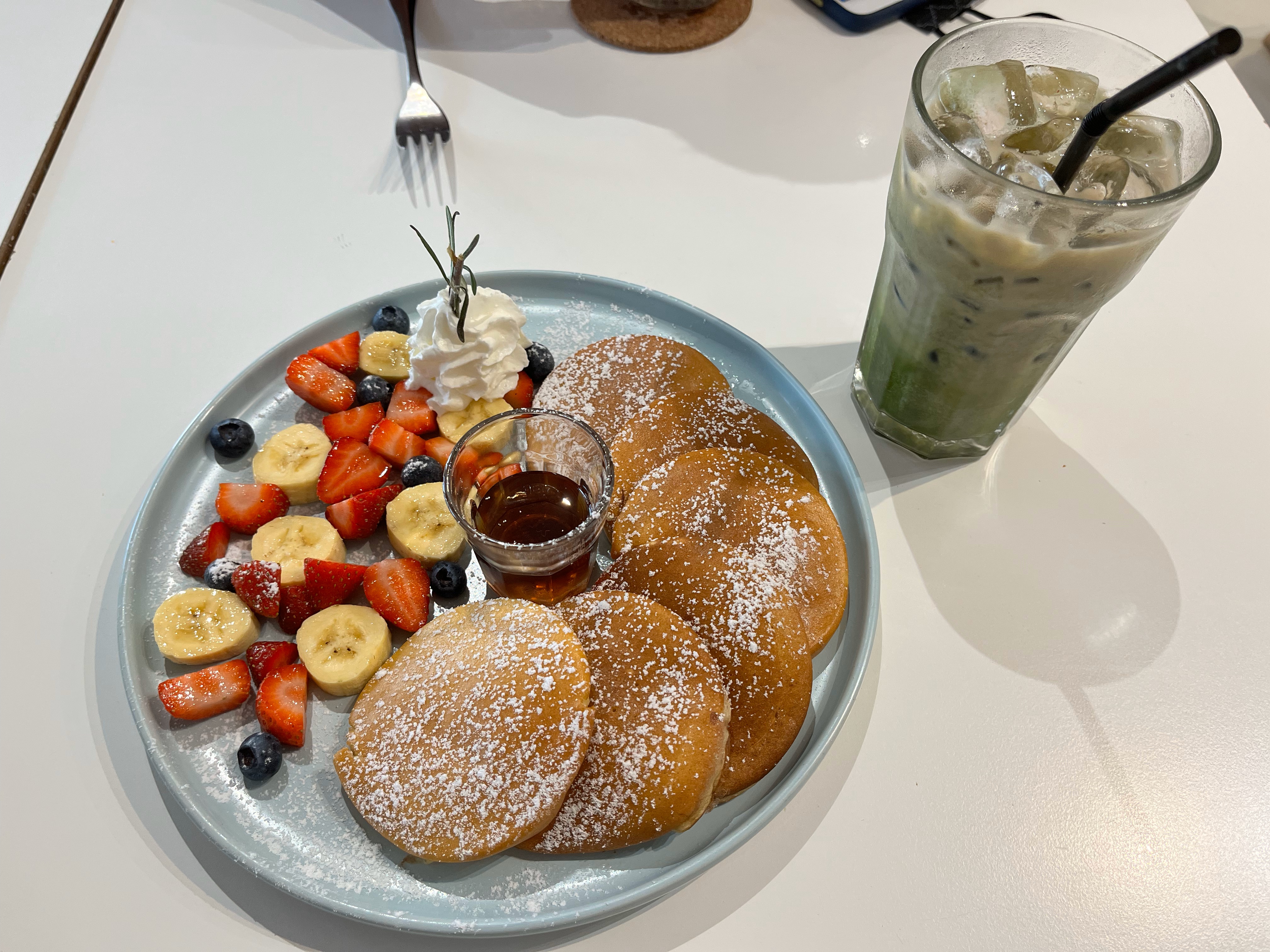
The next day was our final stretch of cycling, with a long stop planned in Kota Bharu. I took a quiet moment to enjoy the sunrise at the riverbank, soaking in the breathtaking view. We had breakfast at “Kedai Kopi White House,” enjoying butter and kaya toast with half-boiled eggs, and nasi lemak, rice cooked in coconut milk with anchovies, peanuts, and sambal. Later, we tried local chicken rice, fried with oats, before visiting a highly rated cafe nearby for coffee and pastries.


We cycled to Wakaf Baru station to catch our train back to KL, arriving just in time. Our bicycles were safely couriered, and we boarded the train with a sense of fulfillment. The trip had been long but unforgettable—filled with scenic rides, local delicacies, and encounters with kind-hearted people.
What I learned most is that life is best experienced with the minimal: simple accommodations, time at the beach with available snacks, and genuine interactions with people living authentically. The east coast of Malaysia remains well-preserved, with pure beaches, natural villages, and fresh morning breezes. I hope to return someday for another adventure. The train journey back to Gemas was quick, and though we were tired, the joy from this trip stayed with us long after we reached home.
Thank you for reading about our journey. Stay safe and enjoy life’s adventures.
 rollingwheelshutter.com
Leave a comment