As the pandemic eased, daily restrictions were slowly lifted, and people started to move around more freely—almost like the pre-Covid days. Of course, some social restrictions were still in place, especially for mass gatherings, which remained prohibited. Earlier in the pandemic, Malaysia actually recorded relatively low and well-controlled case numbers compared to other countries in the region.
But things took a turn when our borders stayed open for tourism and public gatherings were allowed with conditions that, honestly, I knew people wouldn’t fully follow. True enough, soon after the announcement of relaxed border movement and gatherings, the cases shot up rapidly—so much that our public healthcare system was almost on the brink of collapse. At that point, a full lockdown was the only solution. I think Malaysia ended up having one of the longest lockdown periods, almost a year. It was heartbreaking to hear about so many lives lost, and if preventive steps had been taken earlier, the numbers might not have been as high.
For this trip, I’m breaking the story into three parts so it’s easier to read instead of squeezing everything into a single post.
Planning the Trip
Back to cycling—after the successful Ipoh trip, my friends and I started thinking about a longer ride, somewhere further from home. We had two places in mind.
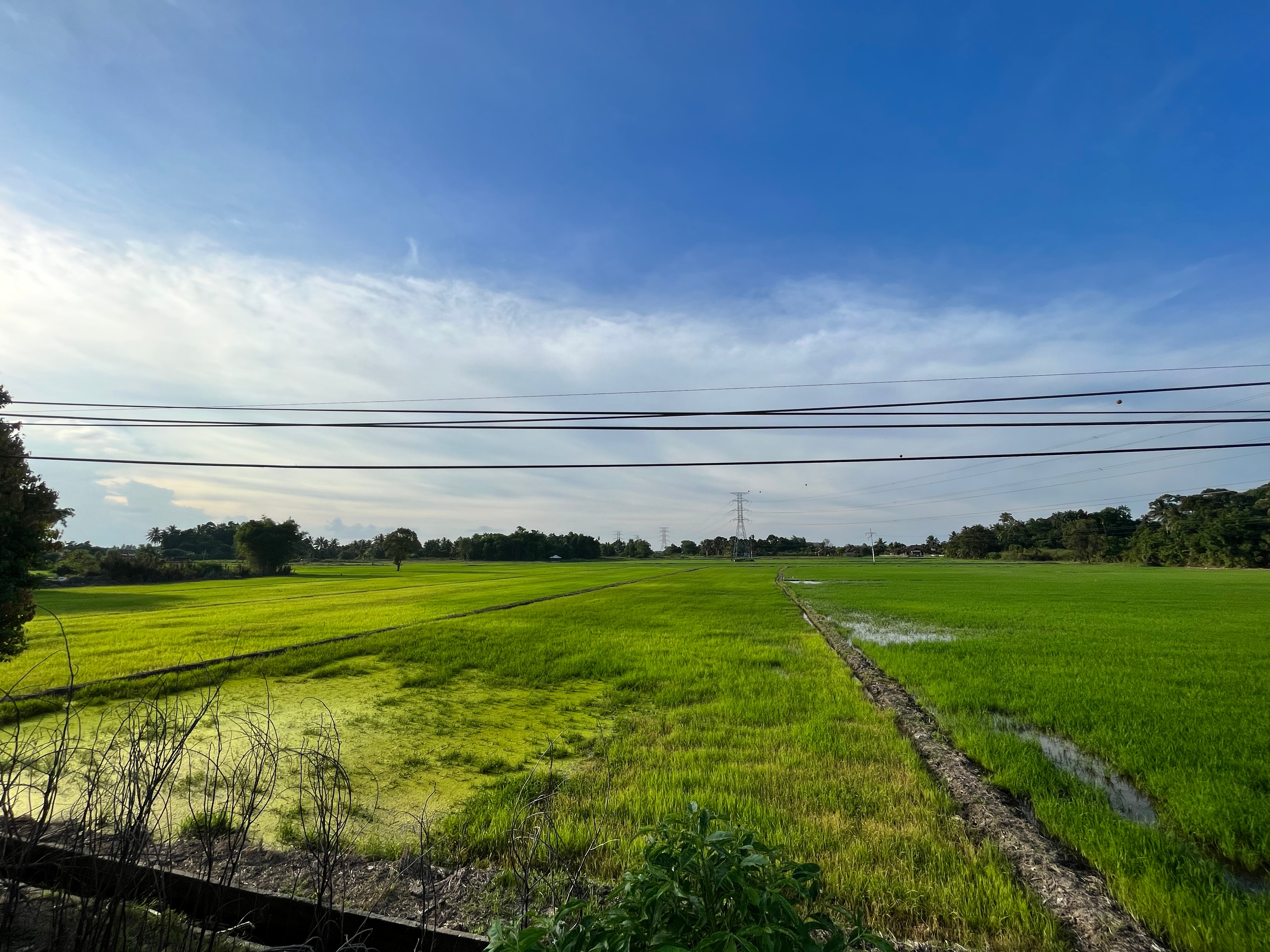
The first was Perlis, the northernmost state bordering Thailand. It’s small, with about 300,000 people, and the terrain is mostly flat, which is perfect for long cycling routes. We always try to map out routes with minimal climbing so the ride stays relaxing. On top of that, Perlis is surrounded by paddy fields, limestone hills, and beaches facing the Andaman Sea. Basically, an ideal destination for beginner cyclists like us.
The second place was Kelantan—specifically Kota Bharu, the state capital. If you look it up, you’ll see how far it is from Kuala Lumpur. To drive there, you only have two choices: through Gerik in Perak or via Kuala Lipis in Pahang, which leads to Gua Musang. The drive usually takes 7–8 hours but can stretch to 12 or more if traffic builds up. It’s even worse during holiday seasons or the monsoon when some roads flood.
Like Perlis, Kota Bharu also has mostly flat terrain since it’s close to the sea, facing the South China Sea. Kelantan is bigger than Perlis and also borders southern Thailand. Because of that, both states have a bit of Siamese influence in their food—usually sour and spicy—but Kelantanese people also love sweet flavours. You’ll even see sugar containers at eateries! I was shocked the first time I saw that. Their dialect is also quite unique, mixing Thai-like tones with the local accent, and honestly, it’s really hard for outsiders to understand.
Why We Chose Kelantan
After comparing both routes, we ended up choosing Kelantan. Both states are connected by railway, but the main reason was bicycle transport. We’re not allowed to bring bikes—whether fully assembled or packed—on trains heading to Perlis. Meanwhile, Kelantan still offers bike transport via train. All we had to do was send the bikes to designated stations around Klang Valley and KTMB would pack and ship them to our destination. If Perlis had this service, we would’ve probably chosen that route.
Once we settled on Kelantan, the next step was planning the route and creating the GPX map. Our route covered:
Kota Bharu → Bachok (Pantai Melawi) → Tok Bali → Tumpat (Pantai Cahaya Bulan) → back to Bachok → back to Kota Bharu—around 200 km in total. We planned to stay in Bachok at Pantai Melawi and cycle around from there. I prefer staying in one place and exploring the area rather than changing accommodations each night. It’s not full bikepacking, more like a mini-tour exploring Kelantan.
Preparing for the Trip
We prepared a week earlier so the bikes could be transported to Kelantan. Luckily, there was a station near my friend’s house that offered the service, so we didn’t have to drive all the way into KL. The bikes took about three days to arrive in Kelantan, and we could collect them at Wakaf Baru station, about 8 km from central Kota Bharu. Our train tickets were bought months in advance since the route is quite popular.
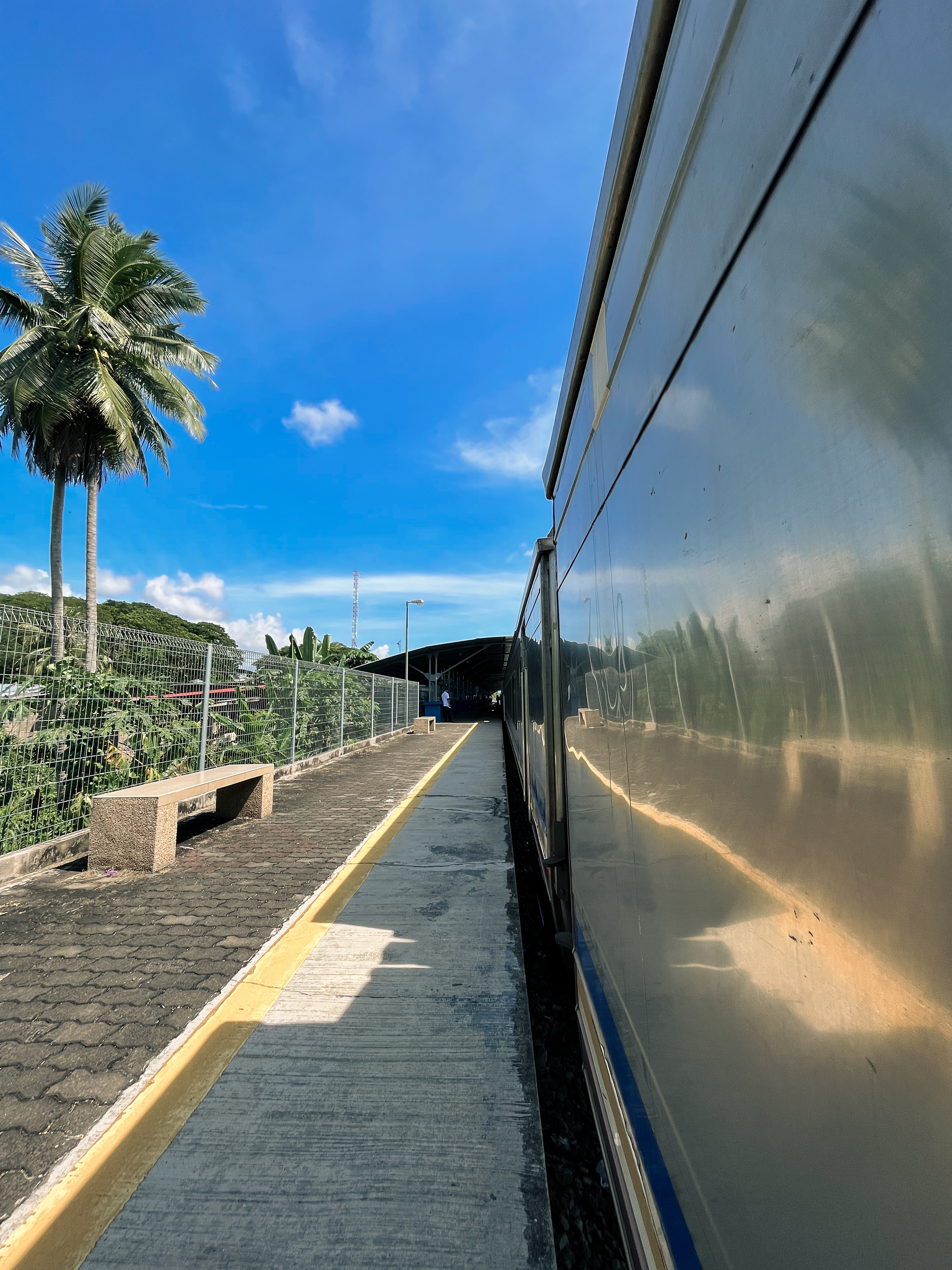
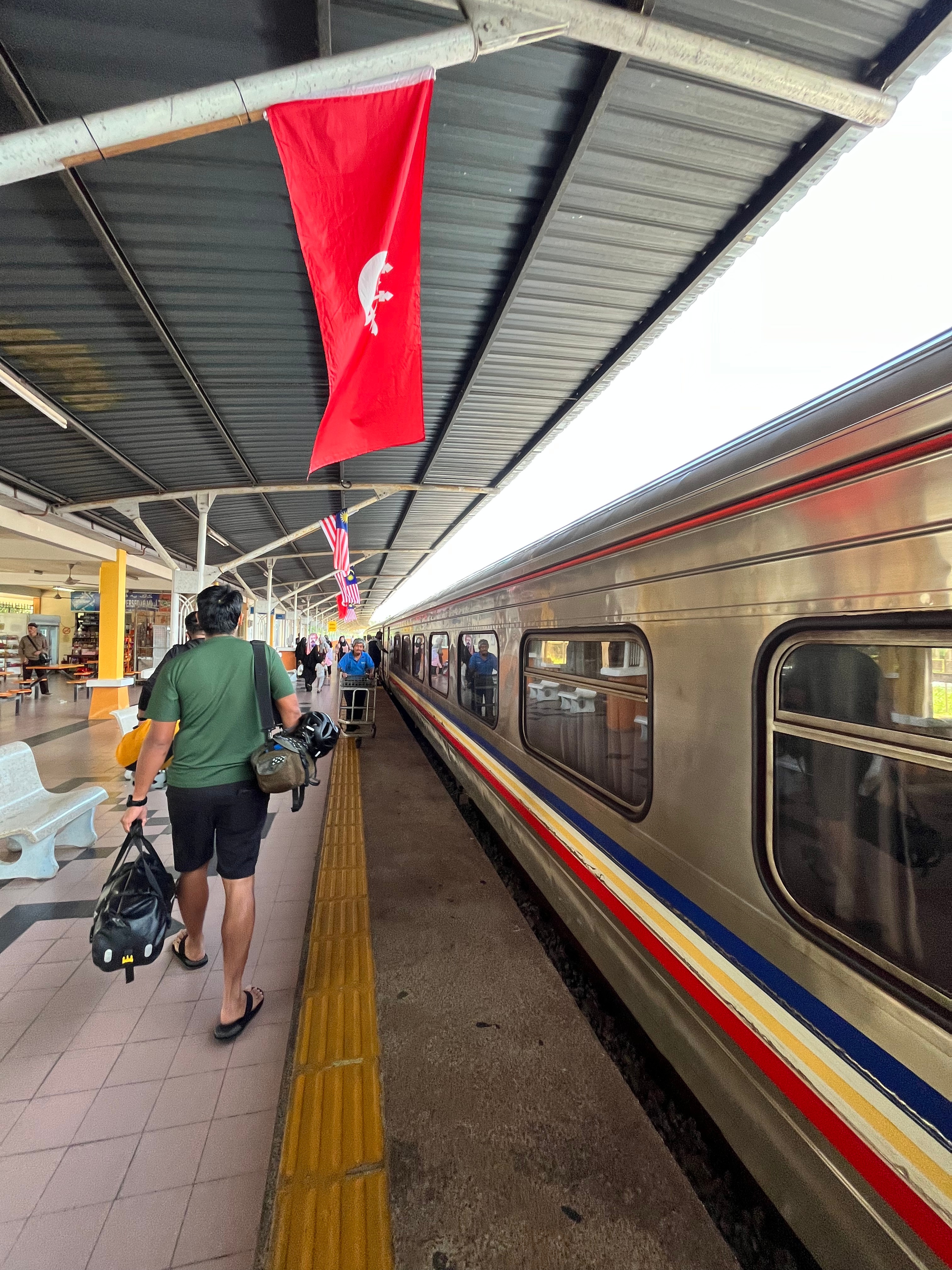
This line is actually the only sleeper train service left in Malaysia after most tracks were upgraded for electrified trains. Sleeper trains are still loved worldwide—not for speed but for the experience and scenery. We had to board the train from Gemas, which is quite far from KL, so we decided to drive straight there after work. Taking the intercity train would’ve been a hassle with luggage and cycling gear.
The drive took about two hours, and we arrived close to midnight. With plenty of time before departure, we walked to a nearby convenience store for snacks. Gemas is a small town but has grown over the years, especially with the nearby army base. I love that it still keeps its charm with the well-maintained wooden shophouses.
Boarding the Sleeper Train
Around 1:30 am, we saw the train approaching. Once it stopped, we boarded and walked down the narrow aisle to find our bunks. I chose the upper bunk because it felt more private. The bed was clean, simple, and comfortable enough for an overnight journey. The toilet wasn’t great—a squatting bowl with a “view” of the tracks below—but for a 12-hour ride, it was manageable. As long as there’s running water, I’m fine.
The train started moving, and wrapped in the blanket, I fell asleep almost immediately—probably from exhaustion after work and the long drive. When I woke up around 6:30 am, the sky had already turned blue and the coach was freezing cold. I rushed to the toilet (luckily unoccupied), then headed to the cafeteria where my friends were already having breakfast.
Dabong Stop
Soon after, the train stopped at Dabong for a long break. Here, you can grab local breakfast or stretch your legs after hours on the train. Most passengers got off here—mainly hikers heading to Gunung Stong. Dabong is known for adventure tourism, with limestone hills and lush forests. The morning scenery is amazing with mist covering the hills. I haven’t fully explored the area yet, but it’s on my list.
If you ever have the chance to travel, I highly recommend the east coast of Peninsular Malaysia. It’s often underrated and sometimes unfairly labelled as “not welcoming,” but the people are friendly and the food is amazing. The beaches along the coastal road are beautiful—white sand, clear water—and some stunning islands are just offshore. The only downside is the limited road options from KL and the lack of public transport. Otherwise, it’s an amazing holiday destination.
Approaching Kota Bharu
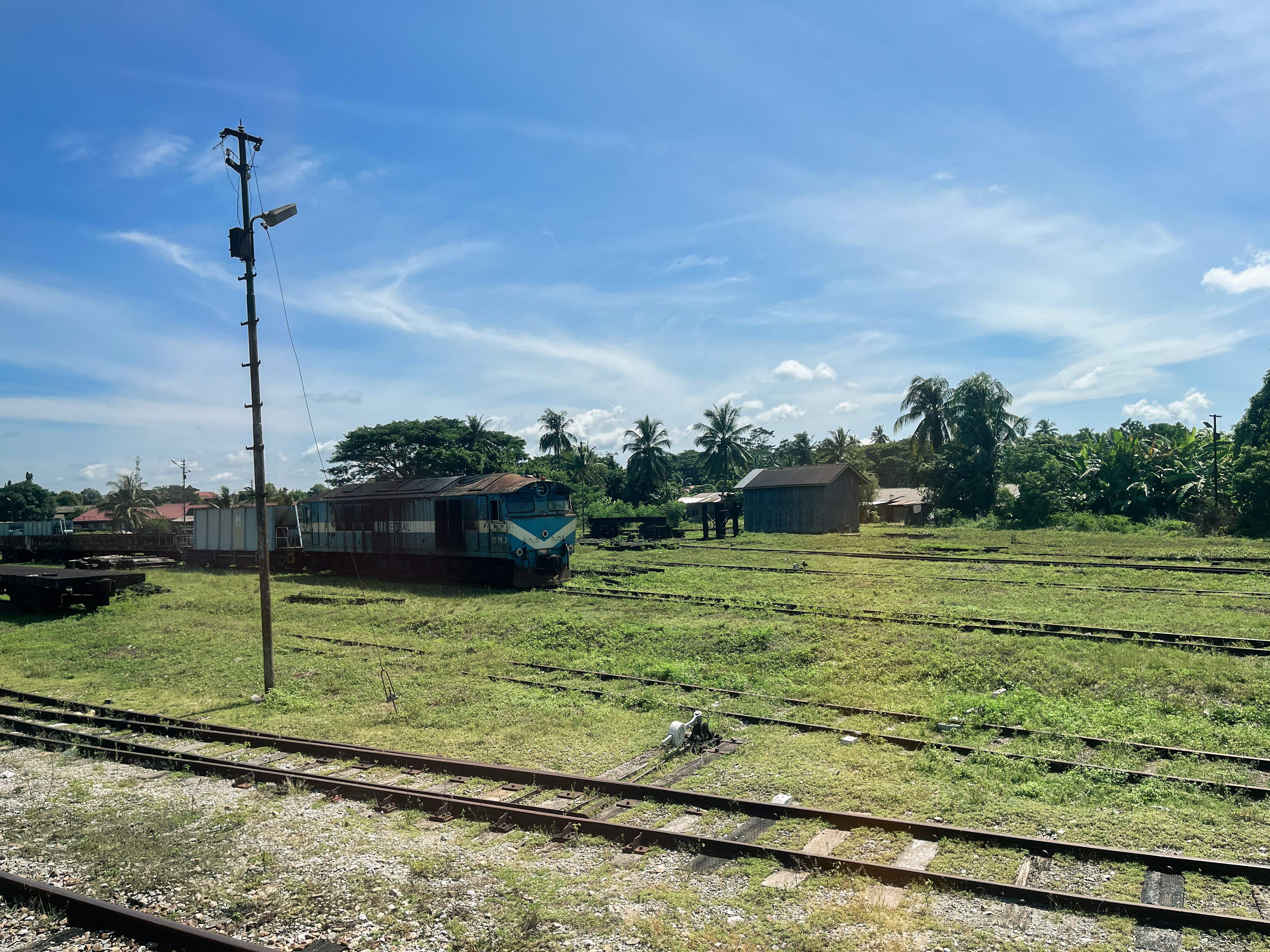
After Dabong, the journey took another three hours. There wasn’t much to do except lie down, hang out at the cafeteria, or enjoy the breeze at the open area between coaches. Mobile coverage was terrible, so the ride became a chance to just enjoy nature. Looking out the window at the greenery made me appreciate how lucky we are to still have untouched wilderness.
As we neared Kota Bharu, the jungle slowly turned into buildings and busier surroundings. The clean, cool air changed to dusty streets and traffic fumes. Kota Bharu is less developed than other cities, but that’s exactly what makes it charming. The old wooden buildings, low-rise structures, and preserved culture give it a sense of authenticity that’s hard to describe—you have to experience it yourself.
By the time my eyes were starting to get watery from sleepiness, the announcement came on: the next stop was Wakaf Baru. We packed our bags, double-checked everything, and got ready to disembark. The train finally stopped, and we walked out into the blazing heat. I could feel the sweat soaking my shirt instantly, but the excitement to start cycling kicked in. We headed towards the logistics office to collect our bicycles.
I’ll stop here for this part. More to come in the next post.
Thanks for reading and following the journey!
 rollingwheelshutter.com
Leave a comment